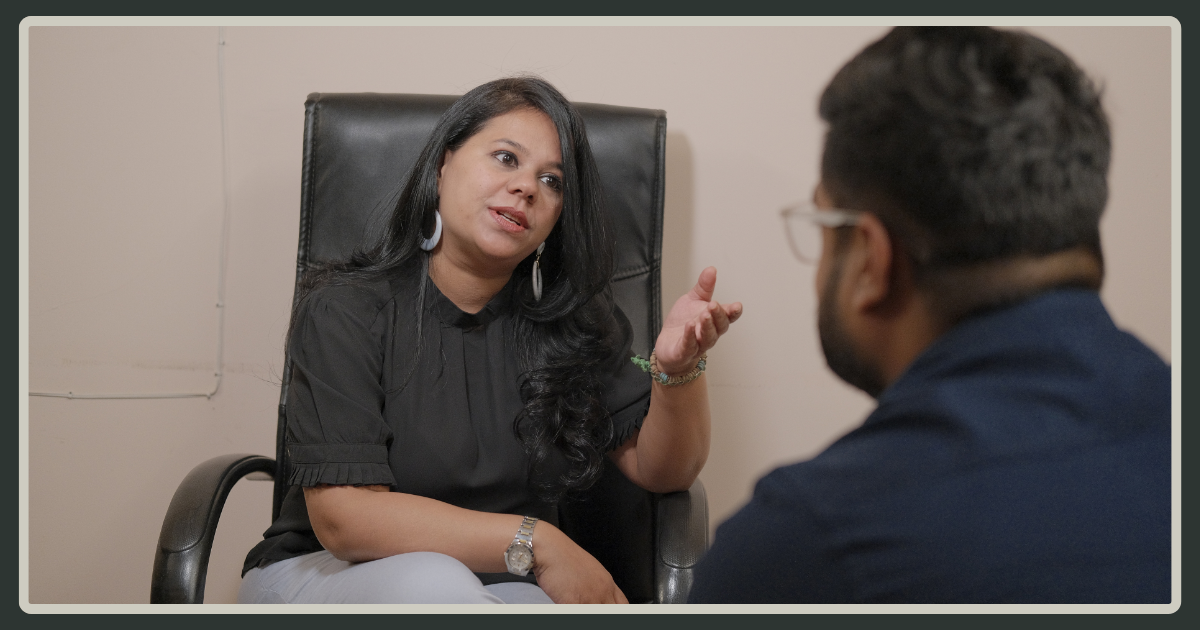

In times of heightened political awareness, it’s inevitable that political opinions and discussions will surface in the workplace. Employees don’t leave their values, identities, or concerns at the door—and nor should they. But when political discourse is mishandled, it can fracture teams, erode trust, and undermine psychological safety.
For leaders, the challenge isn’t to silence political conversations—but to shape a workplace culture where respectful dialogue, inclusion, and professionalism prevail.
Why Political Conversations at Work Are So Complex
Political discussions are rarely just about policy. They’re often intertwined with:
- Personal identity and lived experience
- Deeply held values and beliefs
- Emotional responses to social or global events
When these conversations happen at work, power dynamics, cultural differences, and communication styles all come into play. Left unchecked, they can lead to conflict, disengagement, or employees feeling marginalized.
The goal, therefore, isn’t agreement—it’s respectful behavior.
The Leader’s Role: From Control to Culture
Leaders set the tone. How you respond to political discourse—whether by avoidance, enforcement, or engagement—signals what is truly acceptable in your organization.
Effective leaders:
- Model curiosity over judgment
- Set clear expectations for respectful behavior
- Intervene early when conversations become harmful
- Protect psychological safety for all team members
This is not about taking sides. It’s about upholding shared standards.
Practical Strategies for Handling Political Discourse at Work
1. Establish Clear Norms—Before Issues Arise
Organizations benefit from proactive clarity. Codes of conduct, values statements, and communication guidelines should explicitly address respect, inclusion, and professionalism—even during disagreement.
Ask:
- What does respectful disagreement look like here?
- Where are the boundaries between personal expression and workplace impact?
2. Encourage Dialogue, Not Debate
Debate is about winning. Dialogue is about understanding.
Leaders can coach teams to:
- Listen to understand, not respond
- Speak from personal experience rather than generalizations
- Avoid inflammatory language or assumptions
Simple phrases like “Tell me more about how you see this” can de-escalate tension and build trust.
3. Know When to Step In
Not every conversation needs intervention—but some do.
Leaders should step in when:
- Discussions become personal, hostile, or dismissive
- Employees report feeling unsafe or silenced
- Power dynamics make open dialogue inequitable
Intervening doesn’t mean shutting down conversation; it means redirecting it toward respect and safety.
4. Create Space—But With Boundaries
Some organizations choose to limit political discussions in certain settings, while others create facilitated spaces for dialogue. Either approach can work—if it’s intentional and communicated clearly.
What matters most is consistency and transparency.
5. Support Managers with Tools and Training
Many managers feel ill-equipped to handle politically charged conversations. Equip them with:
- Conflict-management training
- Language for setting boundaries
- Guidance on legal and HR considerations
Confidence comes from preparation.
A Final Thought: Leadership Is About Holding Complexity
Political discourse at work reflects a broader truth: workplaces are human spaces. Avoiding complexity doesn’t eliminate it—it simply drives it underground.
Strong leadership doesn’t demand uniformity of thought. It cultivates environments where people can coexist with dignity, even in disagreement.
At Leadership Cafe, we believe the most effective leaders don’t just manage conversations—they shape cultures where respect is non-negotiable.
Keywords: Handling Conflict, Culture and Engagement, political discourse at work, political conversations at work, navigating politics at work, respectful disagreement, workplace conflict, conflict management, conflict resolution, productive conflict, disagreement at work, difficult conversations, psychological safety, inclusion, belonging, workplace culture, organizational culture, company culture, positive culture, employee engagement, employee motivation, staff dedication, employee retention, trust, communication, dialogue vs debate, active listening, leadership communication, leadership responsibility, emotional intelligence, leadership development, manager training, conflict management training, code of conduct, workplace norms, professionalism, respectful behavior, power dynamics, cultural differences, marginalization, employee wellbeing, leadership courage, holding complexity, human-centred leadership, staff effectiveness, how to handle political conversations at work, employee arguing about politics, team divided over politics, how to stay neutral as a leader, political tension in the workplace, how to set boundaries around political talk, when to step in during workplace conflict, managing diverse opinions at work, how to keep politics out of the workplace, political disagreement causing conflict at work