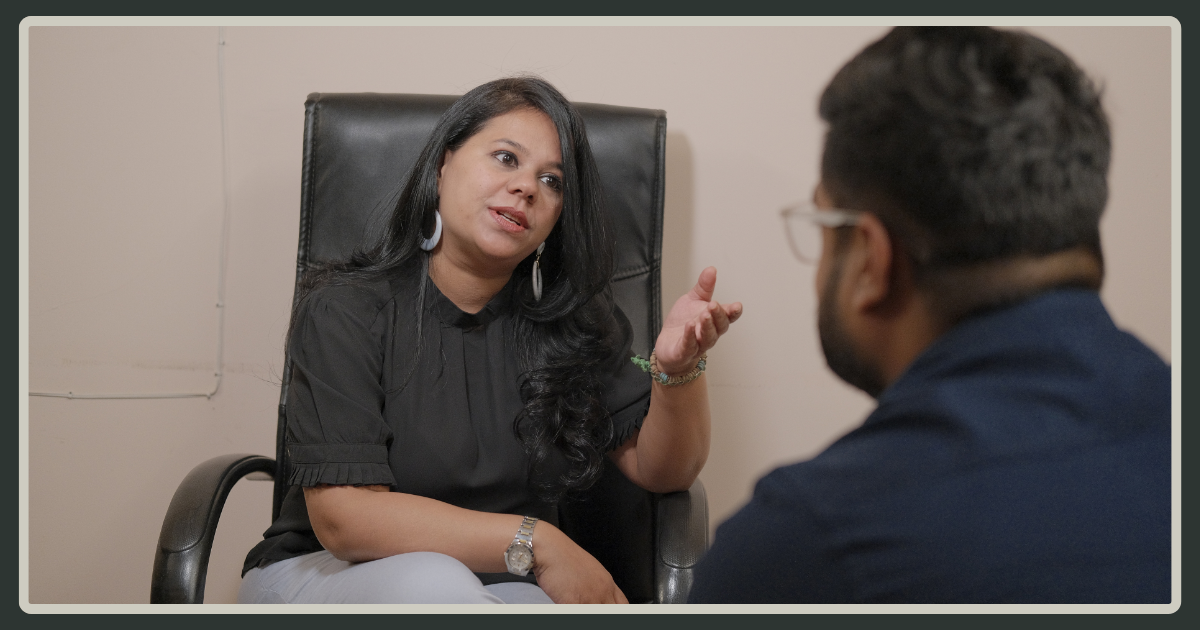

One of the most delicate balances a CEO must strike is being present without being overbearing. Teams want leadership, clarity, and support—but they also want autonomy, trust, and space to do their best work. When support turns into micromanagement, morale drops, creativity stalls, and high performers disengage.
So how can CEOs ensure their teams feel genuinely supported without crossing that line? It starts with shifting the focus from control to clarity, and from oversight to empowerment.
1. Set Clear Outcomes, Not Detailed Instructions
Micromanagement often creeps in when leaders focus too heavily on how work should be done rather than what success looks like. Instead of prescribing every step, CEOs should define:
- Clear goals and success metrics
- Non-negotiables (deadlines, quality standards, constraints)
- The broader “why” behind the work
When teams understand the destination and the boundaries, they can determine the best route themselves. This not only builds ownership but often leads to better, more innovative solutions.
2. Hire (and Develop) for Trust
Supporting without micromanaging is impossible without trust. That trust begins with hiring capable people and continues with investing in their growth.
Ask yourself:
- Do I trust this person’s judgment?
- Have I given them the tools and context they need to succeed?
- Am I stepping in because there’s a real risk—or because it’s uncomfortable not to?
When CEOs consistently second-guess competent team members, it signals a lack of confidence. Trust doesn’t mean blind faith—it means giving people room to prove themselves and learn.
3. Replace Check-Ins With Checkpoints
Frequent check-ins can feel like surveillance. Strategic checkpoints, on the other hand, provide structure without pressure.
Effective checkpoints:
- Are scheduled in advance
- Focus on progress, obstacles, and decisions—not minute details
- Encourage reflection and problem-solving
This approach reassures teams that leadership is available and engaged, while still respecting their independence.
4. Ask Better Questions Instead of Giving Answers
One of the most powerful ways CEOs can support their teams is by asking thoughtful questions rather than offering immediate solutions.
For example:
- “What options have you considered so far?”
- “What do you need from me to move this forward?”
- “What’s the biggest risk you see, and how would you mitigate it?”
This reinforces accountability, sharpens thinking, and positions the CEO as a partner—not a supervisor hovering over every decision.
5. Be Clear About Decision Rights
Confusion around who owns decisions often leads to micromanagement. When CEOs aren’t sure decisions will be made well, they step in. When teams aren’t sure they’re empowered, they hesitate.
Clarify:
- Which decisions teams can make independently
- Which decisions require alignment or escalation
- Where the CEO wants visibility versus involvement
Clarity here reduces friction and builds confidence on both sides.
6. Support the Person, Not Just the Performance
True support goes beyond tasks and metrics. CEOs who avoid micromanagement invest time in understanding their people—not controlling them.
This can include:
- Regular one-on-one conversations focused on growth, not just output
- Asking about workload, energy, and challenges
- Recognizing effort and progress, not just results
When people feel seen and supported as individuals, they’re far more likely to take ownership and perform at a high level.
7. Manage Your Own Triggers
Finally, many micromanagement tendencies stem from the CEO’s own stress, perfectionism, or fear of failure. Self-awareness is critical.
Pay attention to moments when you feel the urge to step in and ask:
- Is this truly necessary?
- What’s the cost of stepping in versus stepping back?
- Am I solving a problem—or avoiding discomfort?
Often, the most effective leadership move is restraint.
The Bottom Line
Supporting your team without micromanaging isn’t about doing less—it’s about doing different work. By setting clear expectations, building trust, and empowering others to lead, CEOs create organizations that are more resilient, innovative, and engaged.
The ultimate measure of strong leadership isn’t how involved you are in every decision—it’s how well your team performs when you’re not in the room.
Keywords: Culture and Engagement, Performance and Behavior, micromanagement, CEO leadership, how to stop micromanaging, supporting your team, leadership support, empowerment, autonomy, trust in leadership, decision-making authority, clarity, leadership clarity, goal setting, success metrics, accountability, ownership, employee engagement, employee motivation, workplace passion, staff dedication, employee retention, high performers, talent retention, leadership development, emotional intelligence, leadership self-awareness, leadership triggers, perfectionism, control vs empowerment, checkpoints vs check-ins, asking better questions, coaching leadership, one-on-ones, leadership presence, organizational culture, workplace culture, company culture, staff effectiveness, job performance, work output, productivity, innovation, hiring for trust, leadership restraint, human-centred leadership, people strategy, how to support employees without micromanaging, signs you are micromanaging, how to give employees more autonomy, CEO micromanaging team, how to build trust with your team as a CEO, how to empower employees, why micromanagement kills performance, how to stop second-guessing your team, micromanagement vs accountability, how to let go of control as a leader, high performers leaving due to micromanagement