
One of the most bittersweet moments in leadership is realizing that a talented employee has outgrown the opportunities your organization can offer. They’re performing well, adding value, and still aligned with your culture—but their ambition, skills, or aspirations now extend beyond the role, team, or structure you can realistically provide.
Many leaders see this as a failure or a threat. In reality, it’s a sign that you’ve done something right.
How you respond in this moment says a great deal about your leadership.
Reframe the Situation: This Is Growth, Not Loss
When an employee outgrows your company, it’s easy to default to fear—fear of losing talent, institutional knowledge, or team stability. But growth is the goal of leadership. If your people are learning, stretching, and developing, some will eventually surpass the boundaries of your current organization.
That’s not a problem to fix; it’s a reality to lead through.
Great leaders understand that their role isn’t to keep people forever—it’s to steward their growth responsibly while they’re with you.
Start With an Honest, Human Conversation
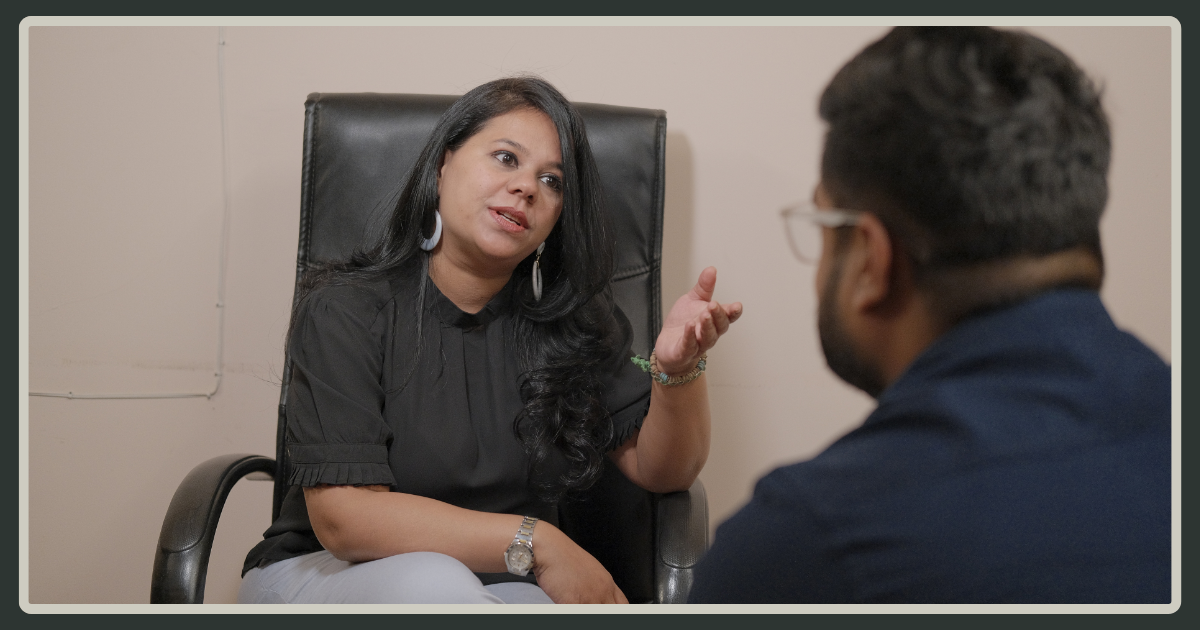
Avoiding the conversation only creates frustration on both sides. Instead, initiate an open and respectful dialogue.
Ask questions like:
• What are you hoping to grow into next?
• What feels limited for you right now?
• What kind of challenges energize you most?
Listen without defensiveness. This is not the moment to sell them on staying or to make promises you can’t keep. Trust is built when employees feel safe telling the truth—and when leaders respond with integrity.
Explore Creative (But Realistic) Options
Before assuming the only answer is departure, take a thoughtful look at what might be possible:
• Short-term stretch projects
• Expanded scope within the current role
• Mentorship or leadership exposure
• Cross-functional work or special initiatives
That said, be honest with yourself. Offering temporary or misaligned solutions just to keep someone can lead to disengagement later. Growth opportunities should be meaningful, not placeholders.
When the Right Answer Is “Support Their Next Step”
Sometimes, the most ethical leadership decision is to help someone move on.
This can feel counterintuitive, especially in cultures that emphasize retention at all costs. But supporting an employee’s next chapter—when you truly can’t meet their growth needs—demonstrates confidence, maturity, and long-term thinking.
Supporting them might include:
• Offering career guidance
• Helping them articulate their strengths
• Providing a strong reference
• Allowing flexibility during their transition
Employees don’t forget leaders who championed them even when it meant letting go.
Prepare the Team With Transparency and Care
When a valued employee leaves, the team watches closely. How you frame the transition matters.
Avoid narratives of “loss” or “disloyalty.” Instead, acknowledge the contribution the employee made and celebrate their growth. This reinforces a culture where development is valued, not punished.
Ironically, leaders who support healthy exits often build stronger loyalty among those who stay.
Build a Culture That Accepts Growth Cycles
Not every role is meant to be permanent—and not every high performer is meant to become a lifer. Organizations that embrace growth cycles create healthier relationships with talent.
Ask yourself:
• Do we define success as keeping people—or developing them?
• Do our leaders feel threatened by ambitious employees?
• Are we honest about the limits of our organization?
When growth is normalized, transitions become less painful and more purposeful.
The Leadership Test
The true test of leadership isn’t whether people stay forever—it’s whether they leave better because of you.
When an employee outgrows your company, you have a choice:
• Protect the organization at all costs, or
• Lead with integrity, generosity, and long-term perspective.
The best leaders choose the second path. And in doing so, they build reputations—and cultures—that attract great people again and again.
Keywords: Culture and Engagement, Hiring and Onboarding, employee outgrowing company, talent retention, losing a good employee, employee growth, leadership development, leadership integrity, leadership courage, difficult conversations, honest conversations, employee ambition, career development, stretch assignments, cross-functional opportunities, mentoring, supporting employees, employee transition, offboarding, staff dedication, employee engagement, employee motivation, workplace passion, total employee experience, employee retention, organizational culture, workplace culture, company culture, emotional intelligence, growth mindset, leadership maturity, people strategy, talent strategy, growth cycles, leadership reputation, human-centred leadership, staff effectiveness, job performance, leadership test, what to do when an employee outgrows their role, how to handle an employee who wants to leave, supporting an employee who has outgrown their job, how to retain ambitious employees, when to let a good employee go, how to have an honest career conversation, employee wants more than you can offer, how to support an employee moving on, how to keep team morale when someone leaves, signs an employee has outgrown their role, how to build a culture that supports growth